If you were fired after taking leave under the Family and Medical Leave Act (FMLA), you are probably asking one question, “Was my termination legal?”
Many Maryland employees are terminated shortly after requesting medical leave, returning from leave, or submitting medical paperwork. Employers often claim it was a performance issue, restructuring decision, or “business necessity.” But when termination closely follows protected leave, that timing can raise serious legal concerns.
In many situations, firing someone for taking FMLA leave is unlawful retaliation. Experienced Maryland employment attorneys at Lebau & Neuworth can review your termination, investigate the timeline, and determine if you have a strong claim for retaliation or interference. Schedule your free consultation now to protect your rights and explore your options.
How FMLA Leave Works in Maryland
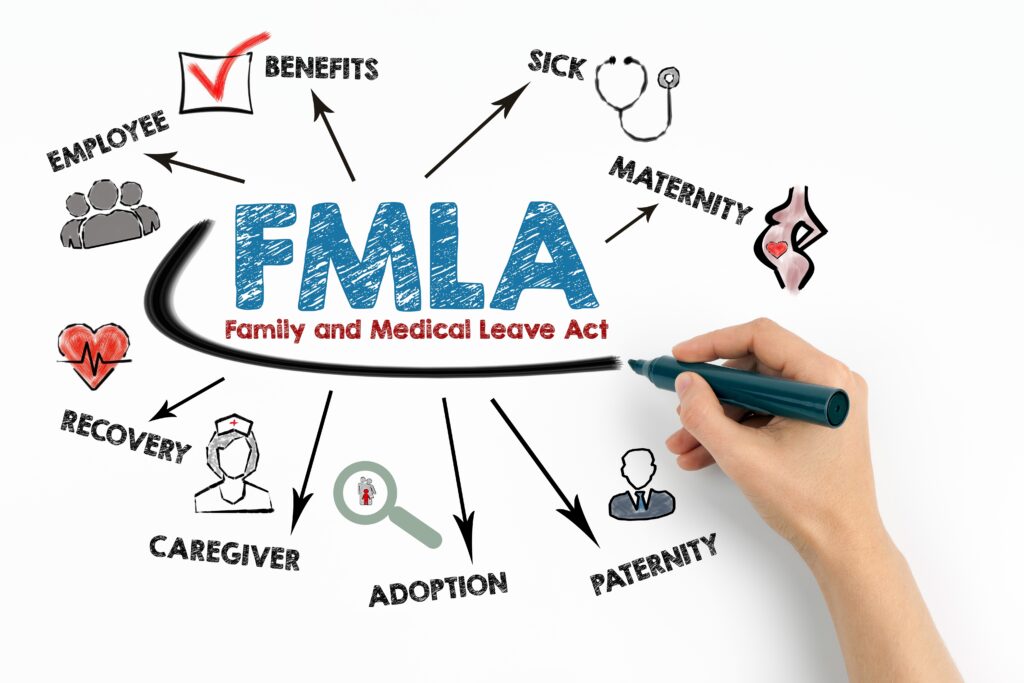
FMLA is a federal law that allows eligible employees up to 12 weeks of unpaid, job-protected leave in a 12-month period. It applies to serious health conditions, pregnancy and childbirth, caring for a spouse, child, or parent with a serious health condition, and certain military-related family needs.
If you qualify, your employer must maintain your group health insurance during your absence and restore you to the same or an equivalent position when you return. You should not lose your job simply because you needed medical or family leave.
Can an Employer Fire You After FMLA Leave?
An employer is not required to keep someone employed forever simply because they took FMLA leave. If a company can prove that they would have terminated the employee regardless of the leave, the termination may be lawful. The real issue is the motive behind your termination.
If the decision to terminate was influenced by your leave request, your medical condition, or the inconvenience your absence caused, it may violate federal law. Courts often look closely at timing. When an employee is fired during leave or shortly after returning, it can suggest retaliation.
You may have a strong case if you were terminated while on approved leave, let go immediately after returning, or suddenly disciplined for issues that were never raised before your leave. At Lebau & Neuworth, our FMLA lawyers know the warning signs that come with wrongful termination and can use this information to better protect your rights.
What Is FMLA Retaliation?
FMLA retaliation happens when an employer takes negative action against an employee because they requested or used protected leave.
Retaliation does not always look obvious. It can include termination, demotion, pay cuts, removal of responsibilities, or sudden negative evaluations after you return from leave.
What Is FMLA Interference?
Separate from retaliation, the law also prohibits interference. This happens when an employer prevents you from exercising your FMLA rights.
Examples may include denying qualifying leave, failing to inform you of your rights, refusing reinstatement, or placing obstacles in the way of approved leave.
In some cases, employees are told their position was eliminated during leave, only to learn later that someone else filled the role. Situations like this deserve careful legal review by the employment lawyers at Lebau & Neuworth.
Were You Eligible for FMLA?
Not every employee qualifies for FMLA automatically. In most cases, you are required to have worked for your employer for at least 12 months, logged at least 1,250 hours in the previous year, and worked at a location where the employer has 50 or more employees within a 75-mile radius.
Employers sometimes misapply these requirements. Even if your employer claims you were not eligible, a closer review of your work history and their policies may reveal you have stronger claims than they initially thought.
What Compensation Can Be Recovered?
If your FMLA rights were violated, you may be entitled to recover lost wages and benefits. In some cases, courts can award front pay or order reinstatement. The law also allows for liquidated damages in certain situations, which can increase the total recovery.
The value of a claim depends on your salary, benefits, how long you were out of work, and whether the employer acted in good faith.
Medical Leave Terminations May Involve Other Claims
Many FMLA cases overlap with other employment laws. A termination after medical leave may also involve disability discrimination, pregnancy discrimination, or failure to provide reasonable accommodation under Maryland law. When multiple laws apply, it can strengthen your legal position and expand the remedies available.
What Should You Do If You Were Fired After Taking Leave?
If this happens to you, there are several steps you can take right away.
- Save emails and text messages.
- Keep copies of medical certifications and leave approvals.
- Write down a timeline of events while details are fresh.
- Be cautious about signing a severance agreement before having it reviewed.
Small details often matter in these cases. Many severance agreements require you to waive potential legal claims. The timing of conversations, written comments from supervisors, and changes in treatment after leave can all become important.
Talk to Lebau & Neuworth About Your FMLA Termination
If you were fired after taking FMLA leave in Maryland, you may have a retaliation or wrongful termination claim.
The employment attorneys at Lebau & Neuworth represent employees who lose their jobs after exercising protected rights. We evaluate the full timeline, the employer’s stated reasons, and the surrounding circumstances to determine whether the termination was lawful.
Contact the experienced team at Lebau & Neuworth to discuss your situation and find out whether you have a case.