What workers in staffing agency and subcontractor jobs should know about joint employer liability
Today, many workers report to one company every day while technically being paid by another. That setup is common in staffing agency jobs, subcontractor arrangements, warehouse work, healthcare staffing, construction, hospitality, and other industries that rely on contract labor.
When unpaid overtime, wage violations, or denied leave happen, companies sometimes try to shift responsibility to each other. One business claims it was “just the staffing agency,” while the other says it did not control the worksite. Under federal employment law, though, more than one company may still be legally responsible.
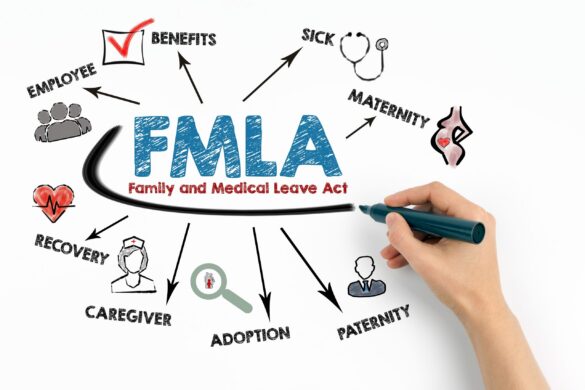
A proposed rule from the U.S. Department of Labor could create a more uniform standard for determining when businesses qualify as “joint employers” under laws like the Fair Labor Standards Act (FLSA) and the Family and Medical Leave Act (FMLA). For workers across Maryland and the DC metro area, the proposal could directly affect wage claims, overtime disputes, and other workplace protections.
How Joint Employer Liability Works in Staffing and Contract Labor Jobs
Joint employment means that two or more companies can be legally responsible for the same worker at the same time. This issue often comes up when:
- A staffing agency places workers at another company’s facility
- A subcontractor supplies labor for a larger business
- A company outsources parts of its workforce to third-party vendors
- Related businesses share employees or supervision responsibilities
In these situations, investigators and courts look beyond payroll paperwork and job titles to determine who actually controls the work being performed.
The most common situation is called vertical joint employment. This usually involves a staffing agency and the company where the employee actually works each day. Under the proposed rule, the Department of Labor would evaluate factors such as:
- Which company can hire or fire the worker
- Who controls schedules and working conditions
- Which business determines pay rates or payment methods
- Who keeps employment records
- Whether the worker depends economically on the company
- Where the work is being performed and who controls the location
No single factor decides the issue. Instead, the government would examine the full working relationship and how much real-world control each company has over the employee.
Why Day-to-Day Control Matters in Wage and Hour Disputes
One of the biggest takeaways from the proposal is that actual workplace control matters more than labels in a contract.
A company may still face liability if its supervisors direct workers, manage schedules, oversee productivity, or influence workplace conditions on a daily basis. That can be true even if the company tries to distance itself from workers on paper.
For employees dealing with unpaid overtime, denied wages, or leave violations, documentation can become extremely important. Helpful evidence may include:
- Work schedules
- Emails and text messages
- Supervisor instructions
- Timekeeping practices
- Reporting structures at the worksite
The proposal also addresses horizontal joint employment, which can apply when employees work for multiple related companies that share operations, management, or staffing responsibilities.
What the Proposed Department of Labor Rule Could Mean for Maryland Workers
Workers in temporary staffing, warehouse operations, healthcare support, logistics, hospitality, and construction jobs are often affected the most by these employment structures. When companies divide responsibilities between multiple entities, employees may struggle to determine:
- Who owes overtime pay
- Which employer is responsible for leave protections
- Who can be held accountable for labor law violations
- Which company controls workplace policies and schedules
A clearer joint employer standard could make it more difficult for businesses to avoid responsibility by blaming staffing agencies or subcontractors.
The proposed rule is currently in a public comment period through June 22, 2026. Workers, advocates, and employment attorneys still have an opportunity to weigh in before the rule becomes final.
Speak With Baltimore Employment Lawyers About Staffing Agency and Wage Disputes
If you work through a staffing agency, subcontractor, or temporary labor arrangement and believe your rights have been violated, understanding who may be legally responsible is critical.
At Lebau & Neuworth, our employment attorneys represent workers across Maryland and the DC metro area in cases involving unpaid wages, overtime disputes, workplace discrimination, wrongful termination, and other employment law violations.
We understand how complicated employment relationships can become when multiple companies are involved. Our team works to identify who truly controlled the workplace and fight for accountability when employee rights are ignored.